Amid the rush to unpick the mysteries of Covid-19 and its effects, clinicians are scrambling to understand the information they have and prioritise what needs to be looked at next.
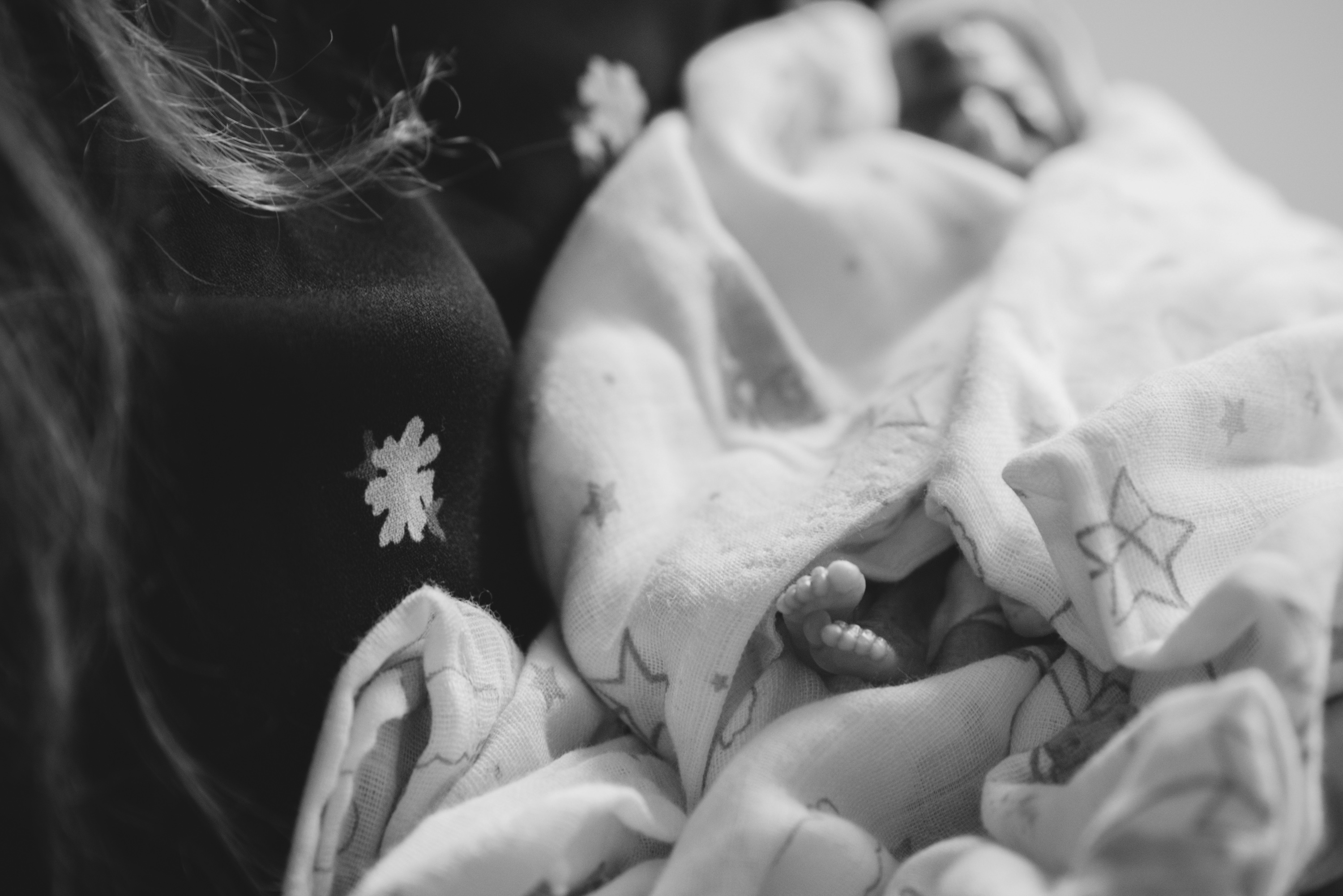
Mitochondrial disease affects one Australian baby born each week. While calls to legalise targeted IVF to combat the illness grow louder, research is also increasing into the late onset of the condition in adults.
The discovery of antibiotics almost a century ago was one of the most important breakthroughs in medical history. But as new research shows, we’re not using them responsibly and that could lead to dire outcomes.
A study examining gender imbalance among surgeons shows widespread cultural change is needed to stamp out bullying, harassment and lack of support for women entering the profession.
The government recently announced that parents dealing with a stillbirth or infant death will be entitled to 12 months of unpaid parental leave. But advocates say there is more we can do for bereaved families.
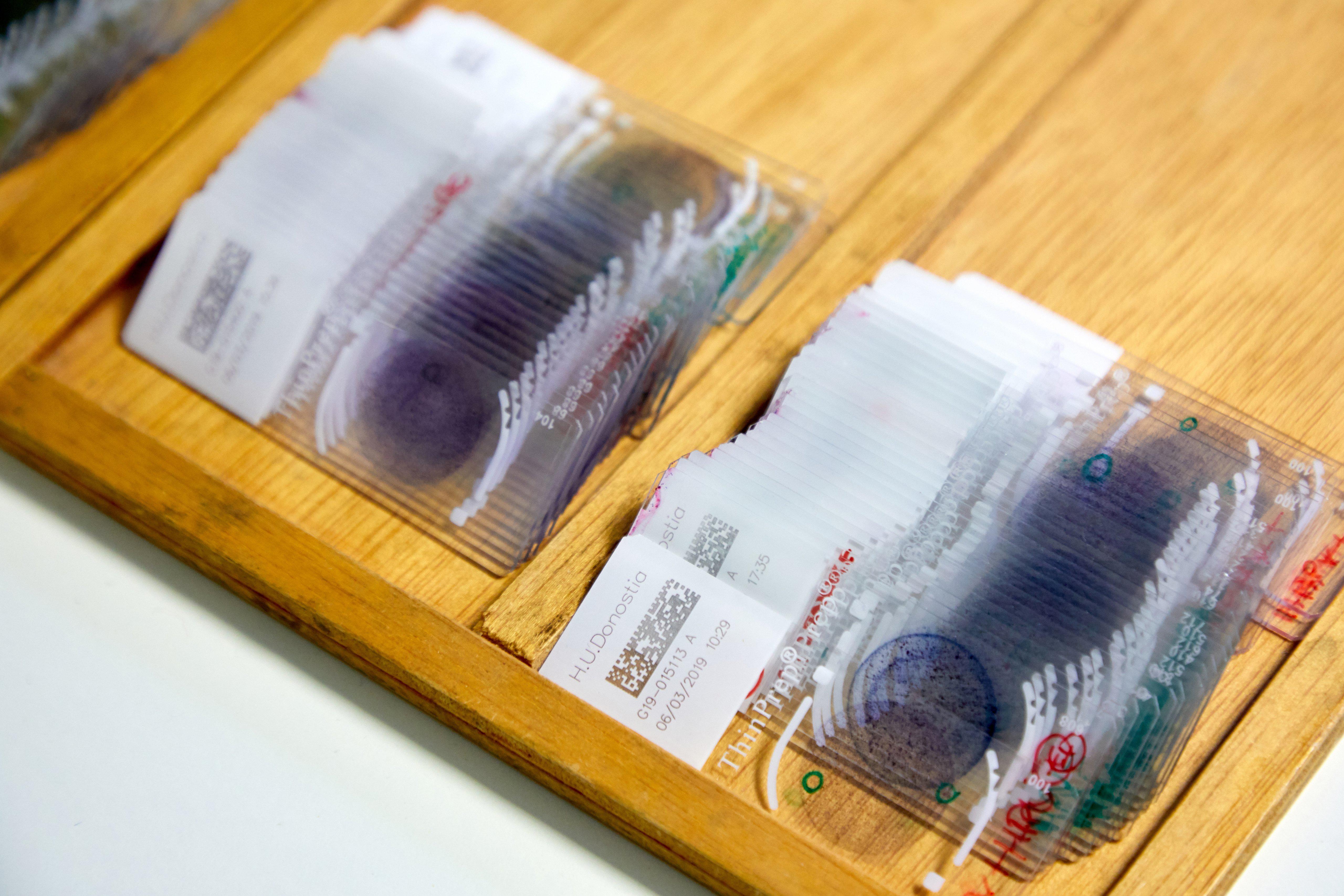
While Britain introduces cervical cancer tests that women can self-administer at home, Australian experts are looking at new ways of increasing screening rates and reducing the risk of contracting this largely preventable disease.
A new form of immunotherapy that harvests T cells from a patient’s blood, genetically modifies them and delivers them back into the bloodstream is bringing new hope to leukaemia sufferers.
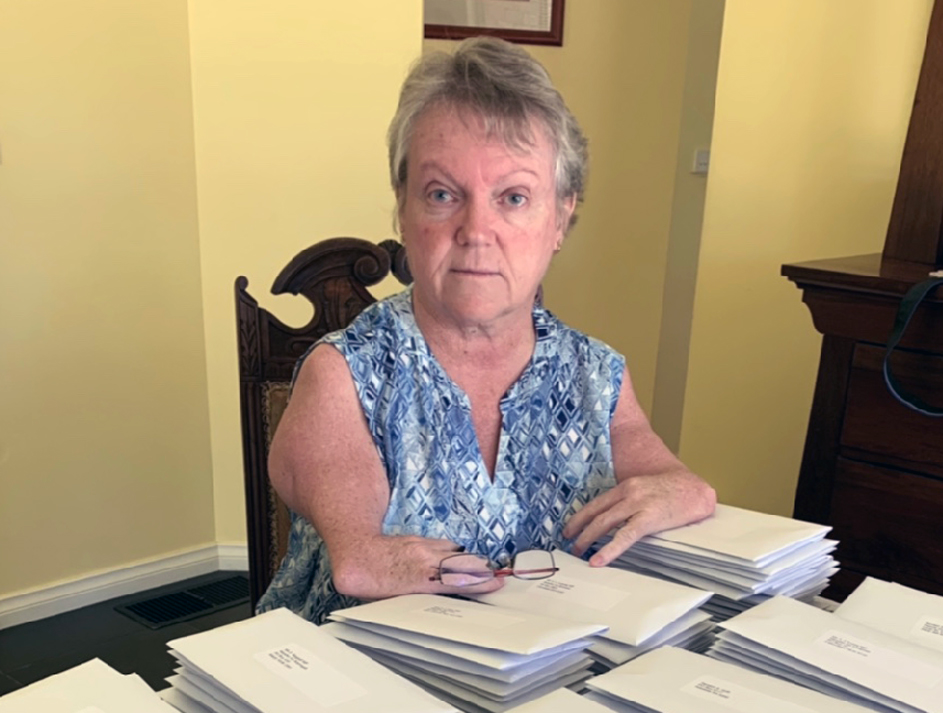
A senate inquiry into thalidomide in March called for survivors to be better supported and compensated. Months later the government still has done nothing.
Medicinal cannabis may be garnering the majority of research attention but a new study by Monash University is investigating how the ratio of chemical compounds in the drug affects long-term recreational users.
In Australia, up to 9 per cent of babies are born each year with foetal alcohol spectrum disorder. Mixed messages about drinking during pregnancy and a lack of awareness mean few people understand the condition, let alone discuss it.