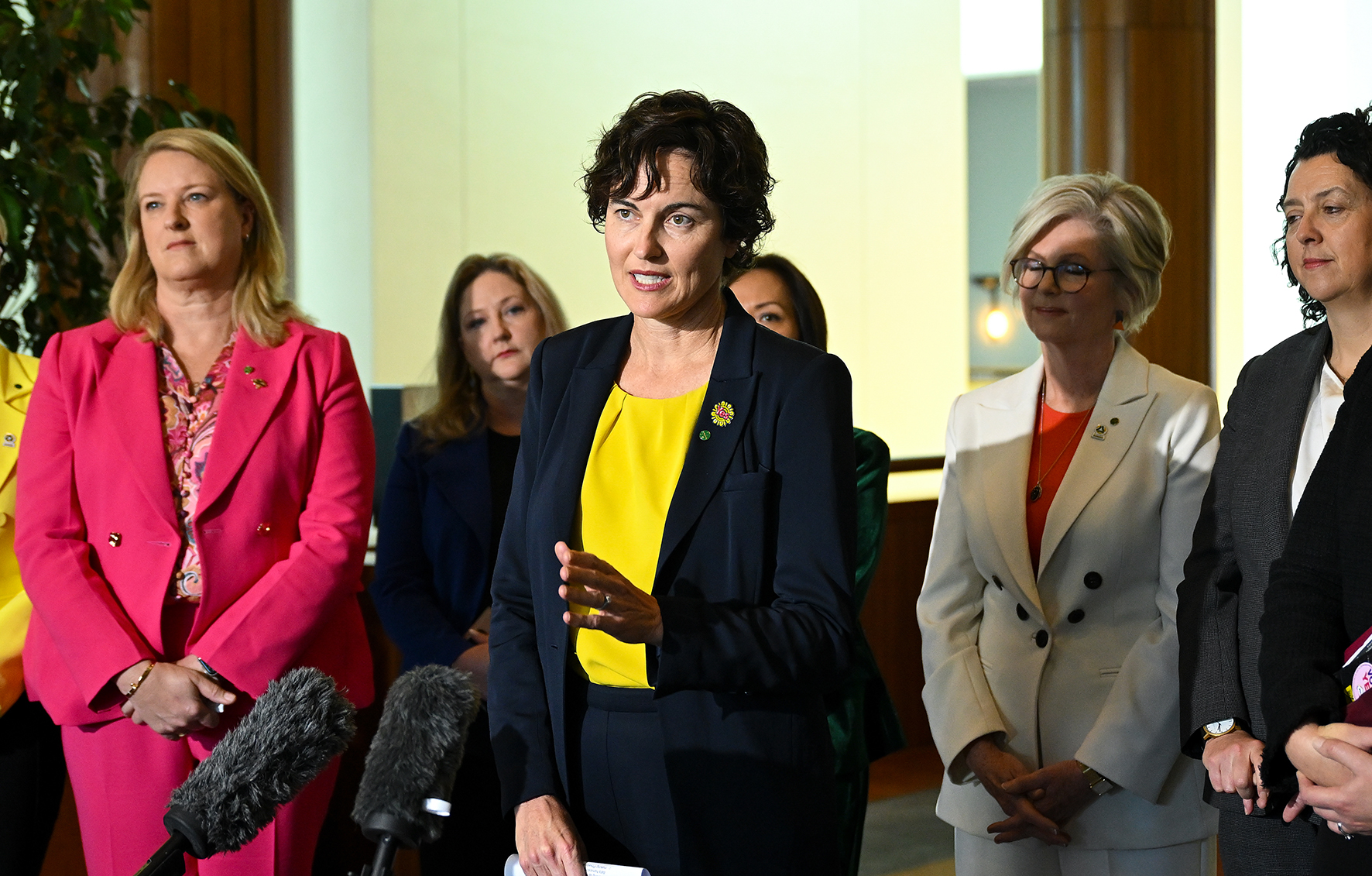
Labor and the Coalition have cooperated on electoral reforms targeting the use of private money – which will hit the funding models of challengers such as Clive Palmer and the teals.
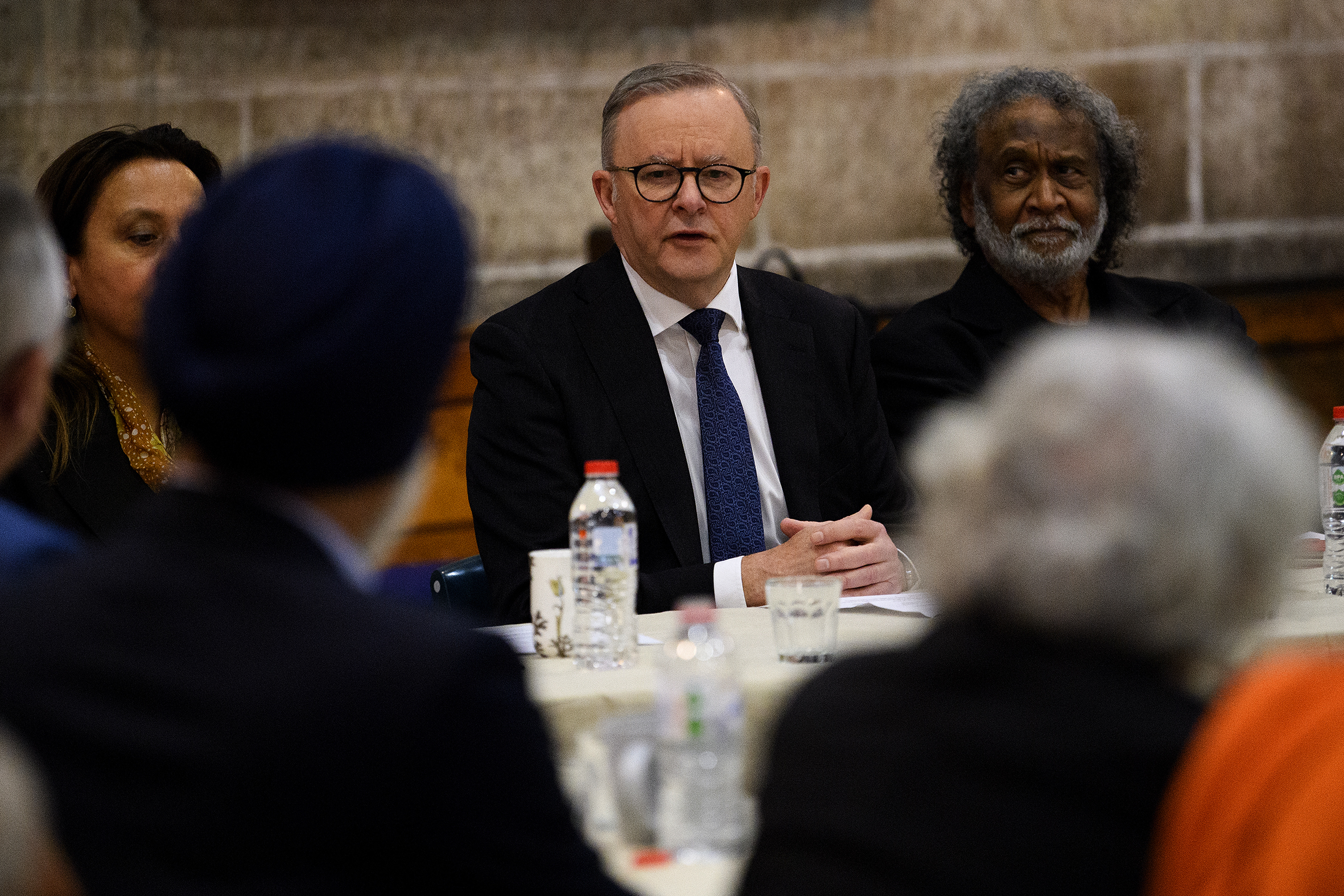
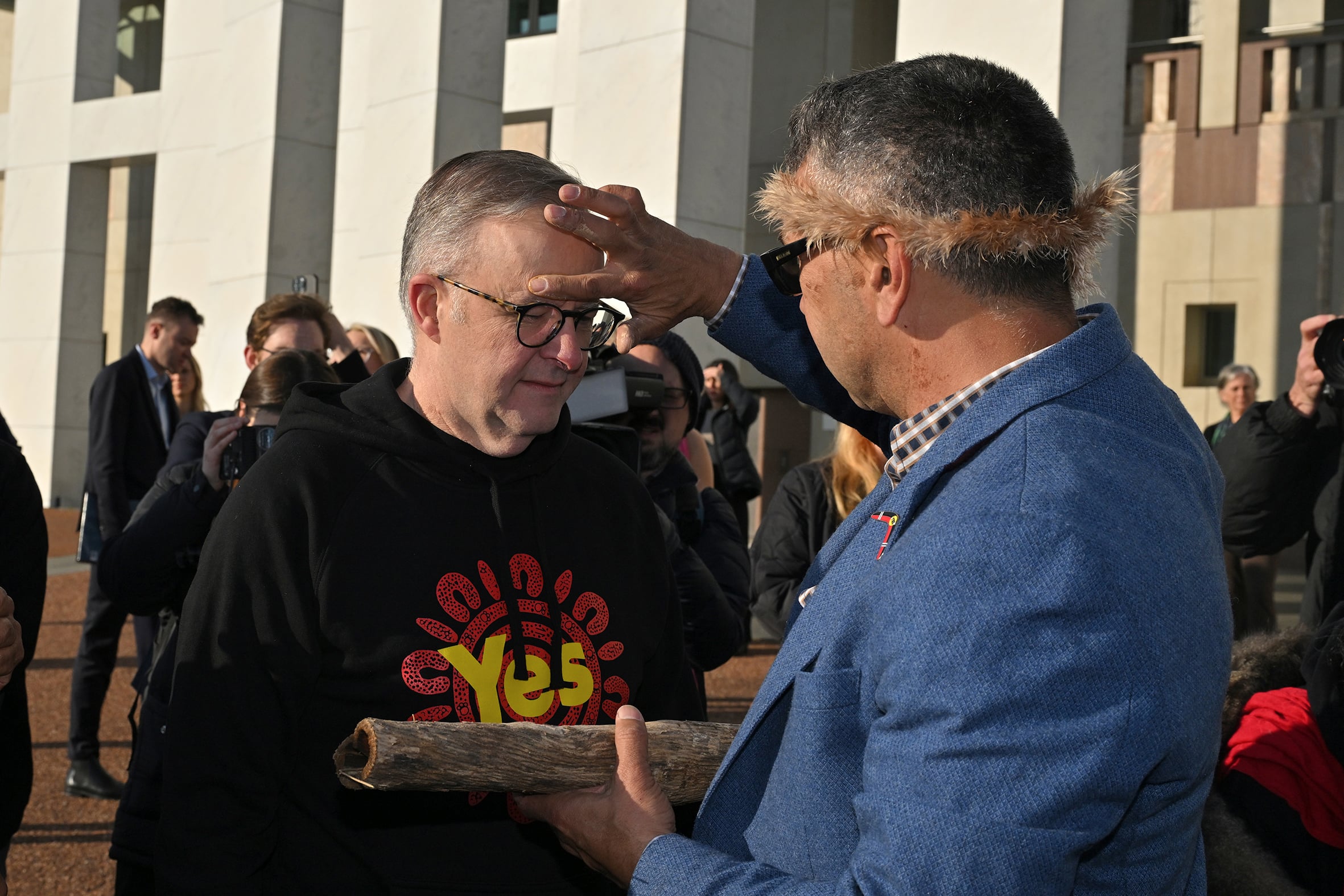
‘Yes’ campaigners are focusing on direct personal appeals to undecided voters, in the hope of clawing back support as they battle online falsehoods and an increasingly vitriolic debate.
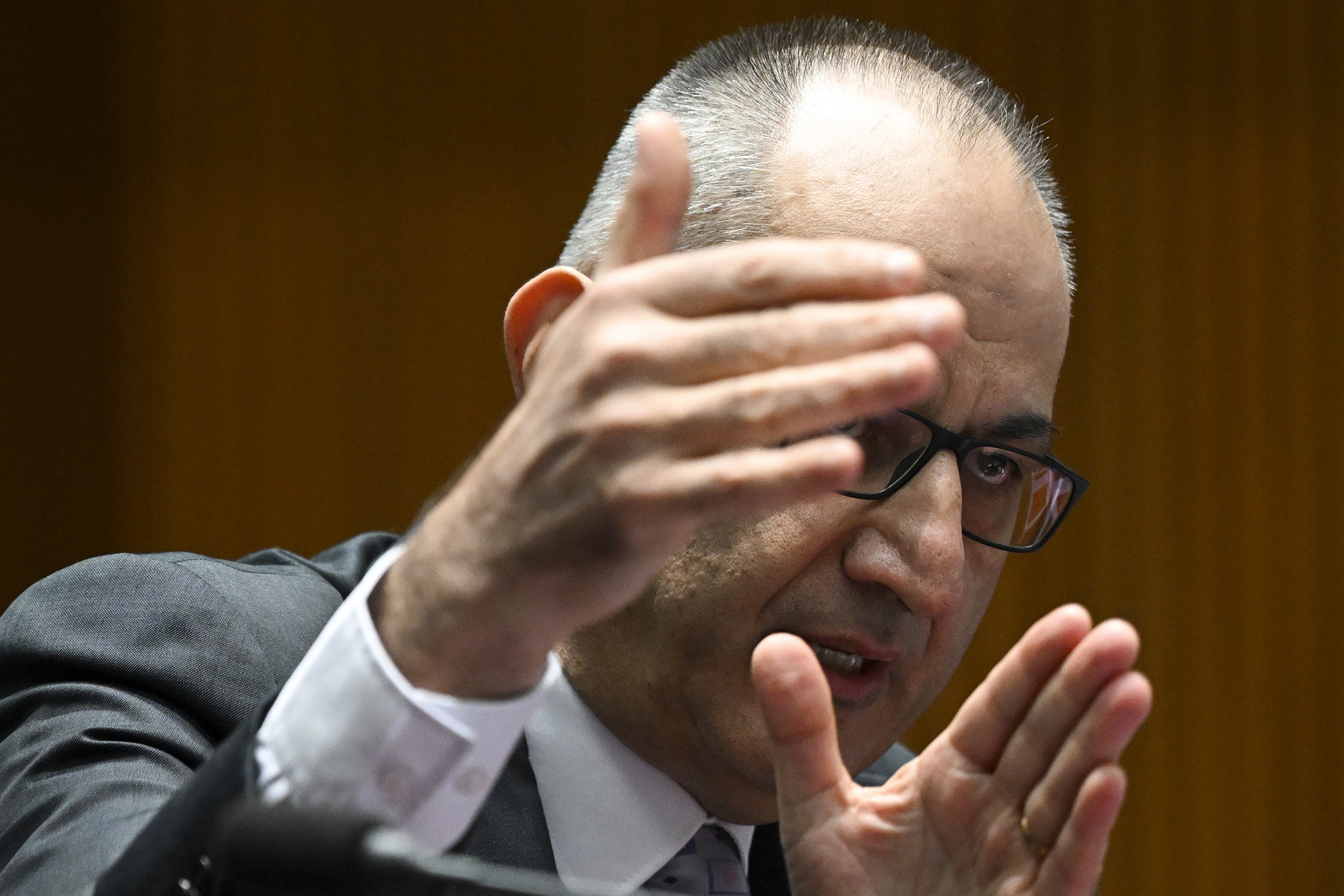
Home Affairs secretary Mike Pezzullo was one of the country’s most powerful bureaucrats before he came unstuck with the exposure of a string of partisan messages. The big question is: who leaked them and why now?
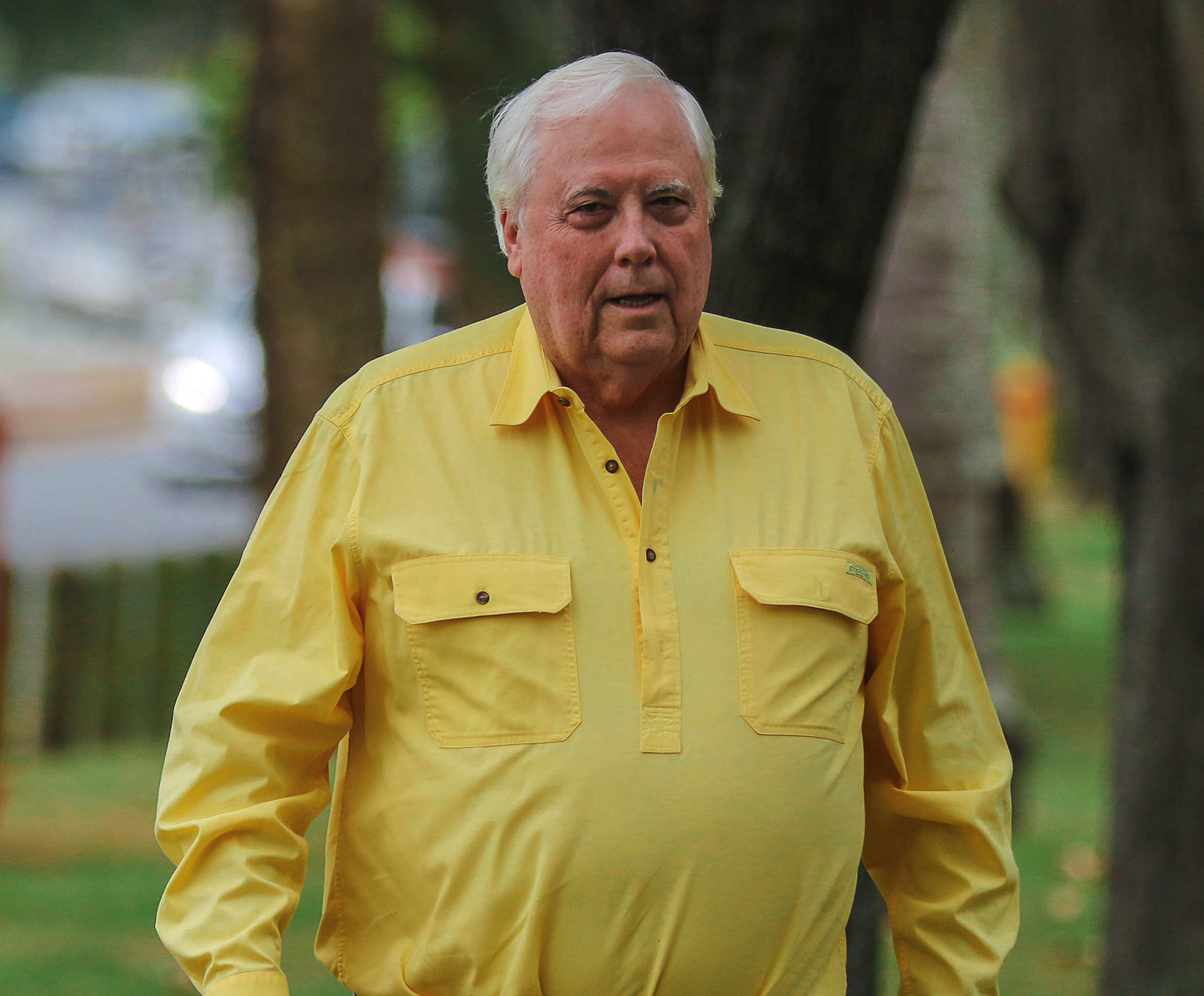
Clive Palmer’s move to sue the government in a secretive international tribunal highlights the need to amend Australia’s trade policy to prevent claims that could hamper emissions reduction efforts.
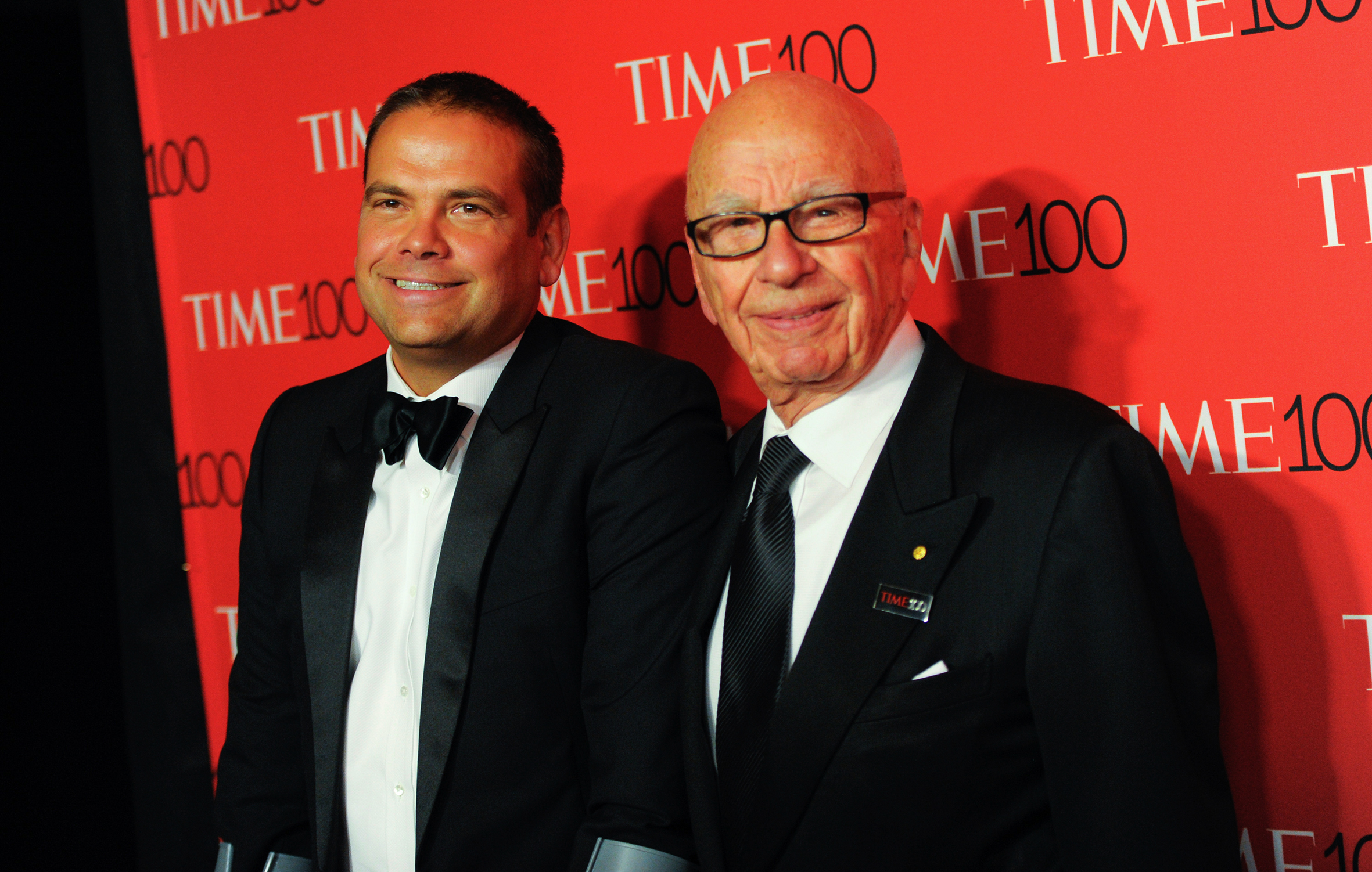
Lachlan Murdoch’s first actions since taking over his father’s empire suggest he is committed to the network’s far-right populism. Whether it keeps him in the job is another question.
At the start of this campaign, the average ‘No’ voter was a man over 50. Since then, the ‘No’ vote has grown in almost every demographic – driven by distrust of the Voice and the belief that First Nations people don’t want it.
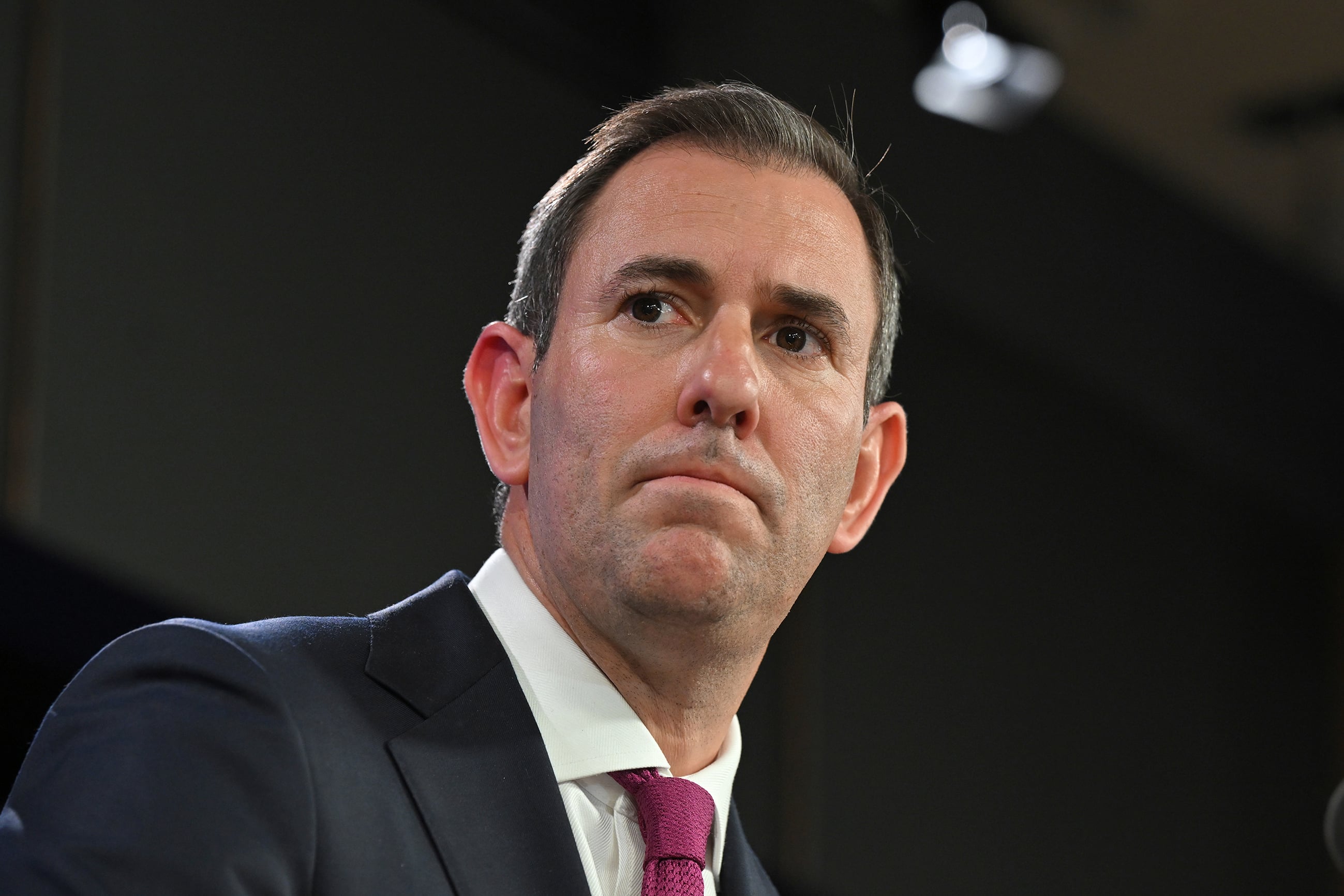
As Qantas and PwC take steps to restore their damaged reputations, Treasurer Jim Chalmers announces draft legislation to penalise corporate wrongdoing and help bring it to light.
Variations in the way polls account for undecided voters leave some hope for the ‘Yes’ campaign as it battles sliding support a month out from the Voice referendum.