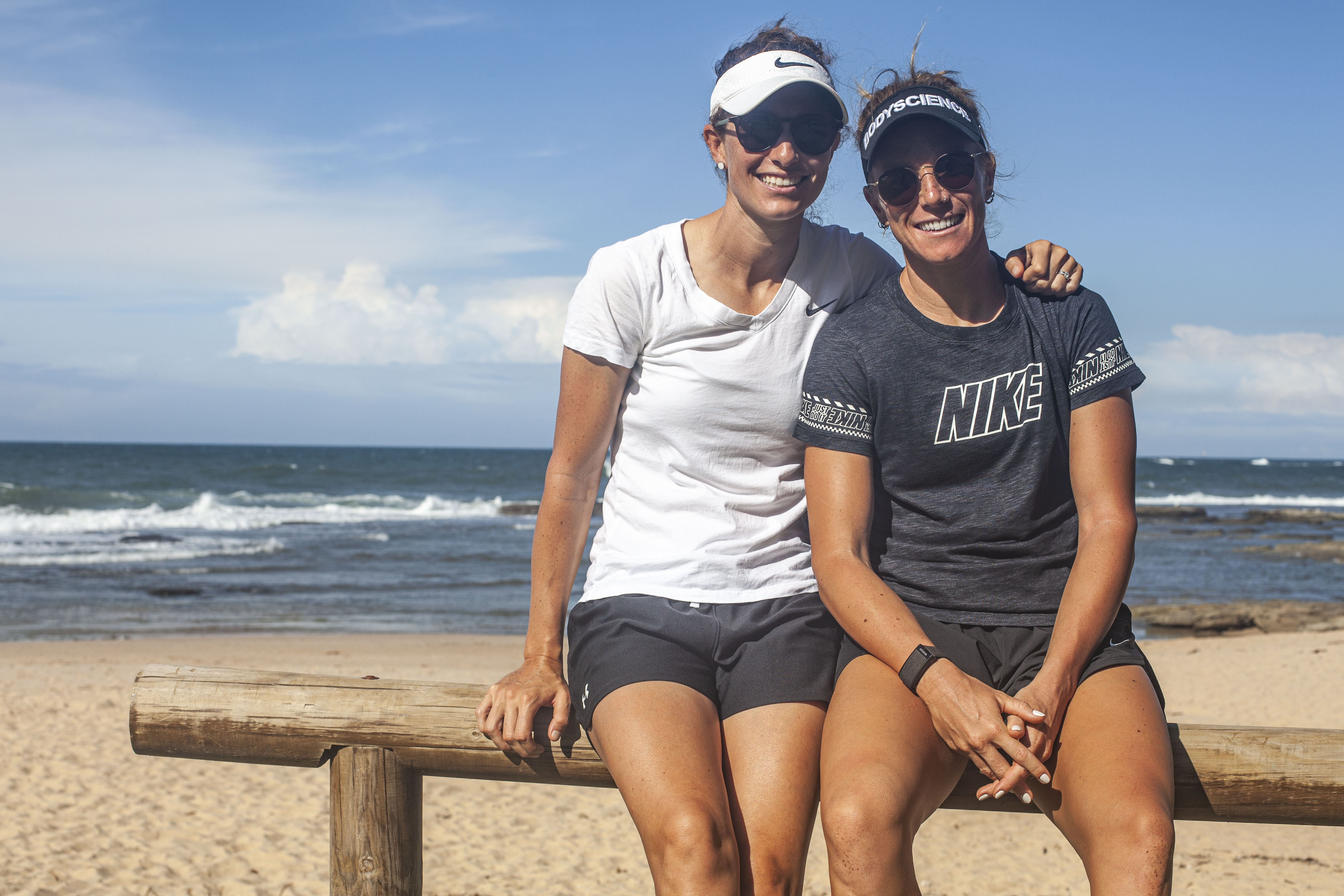
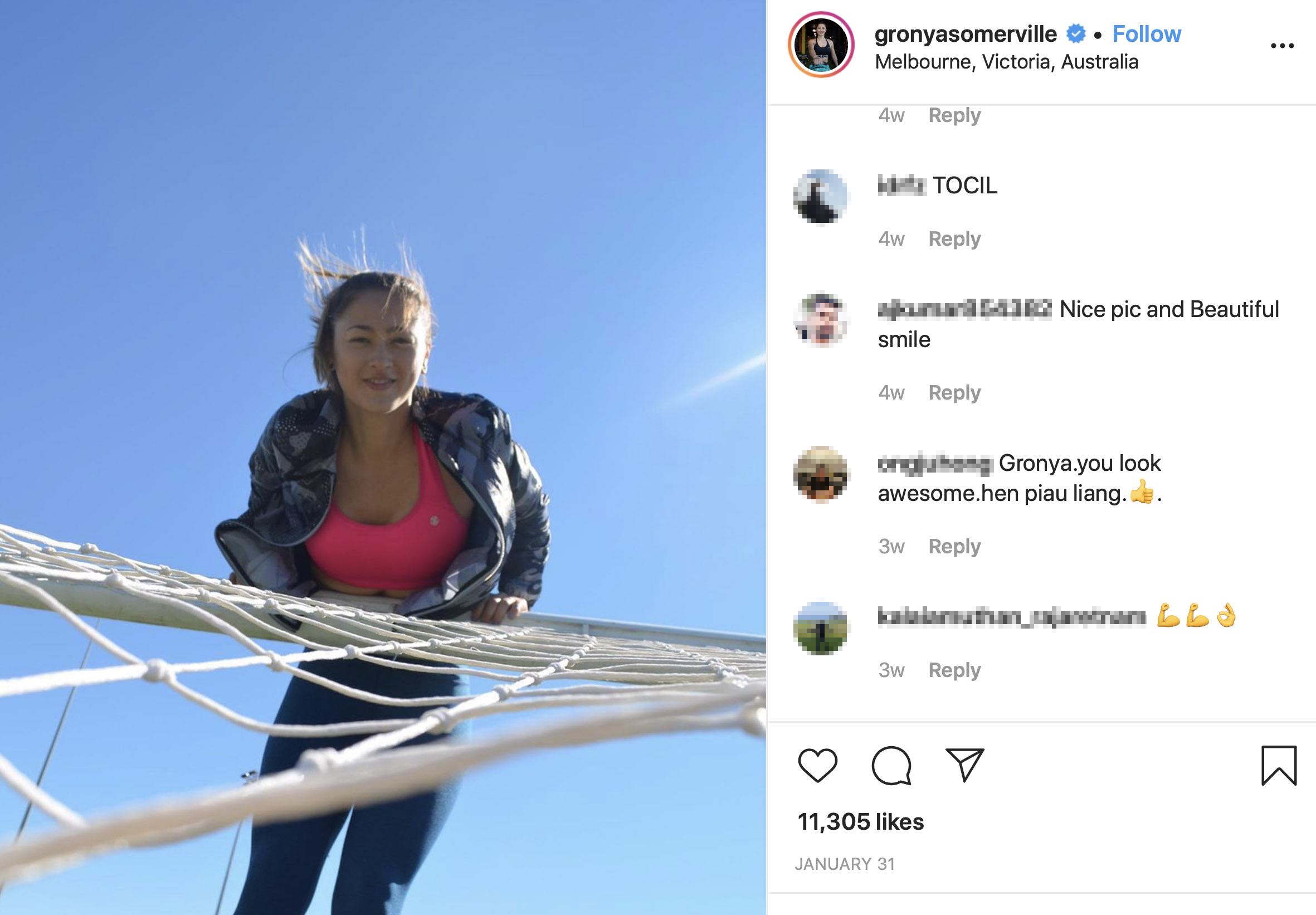
Faced with the uncertainty of Covid-19, pace bowler turned rugby league champion Courtney Hill and her English wife, cricket international Lauren Winfield, remain committed to being the best athletes they can be.
Westfield Matildas / Football Federation Australia
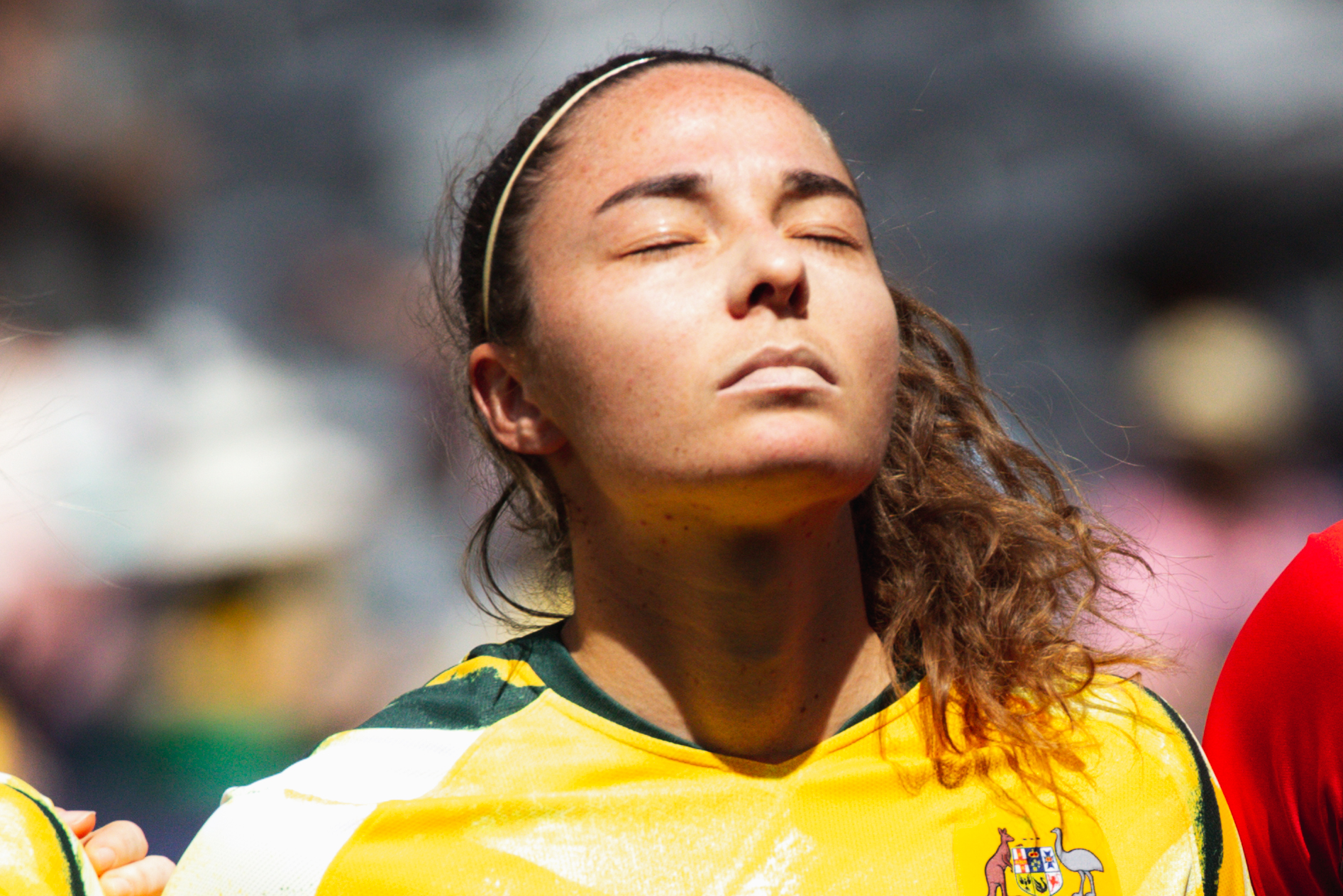
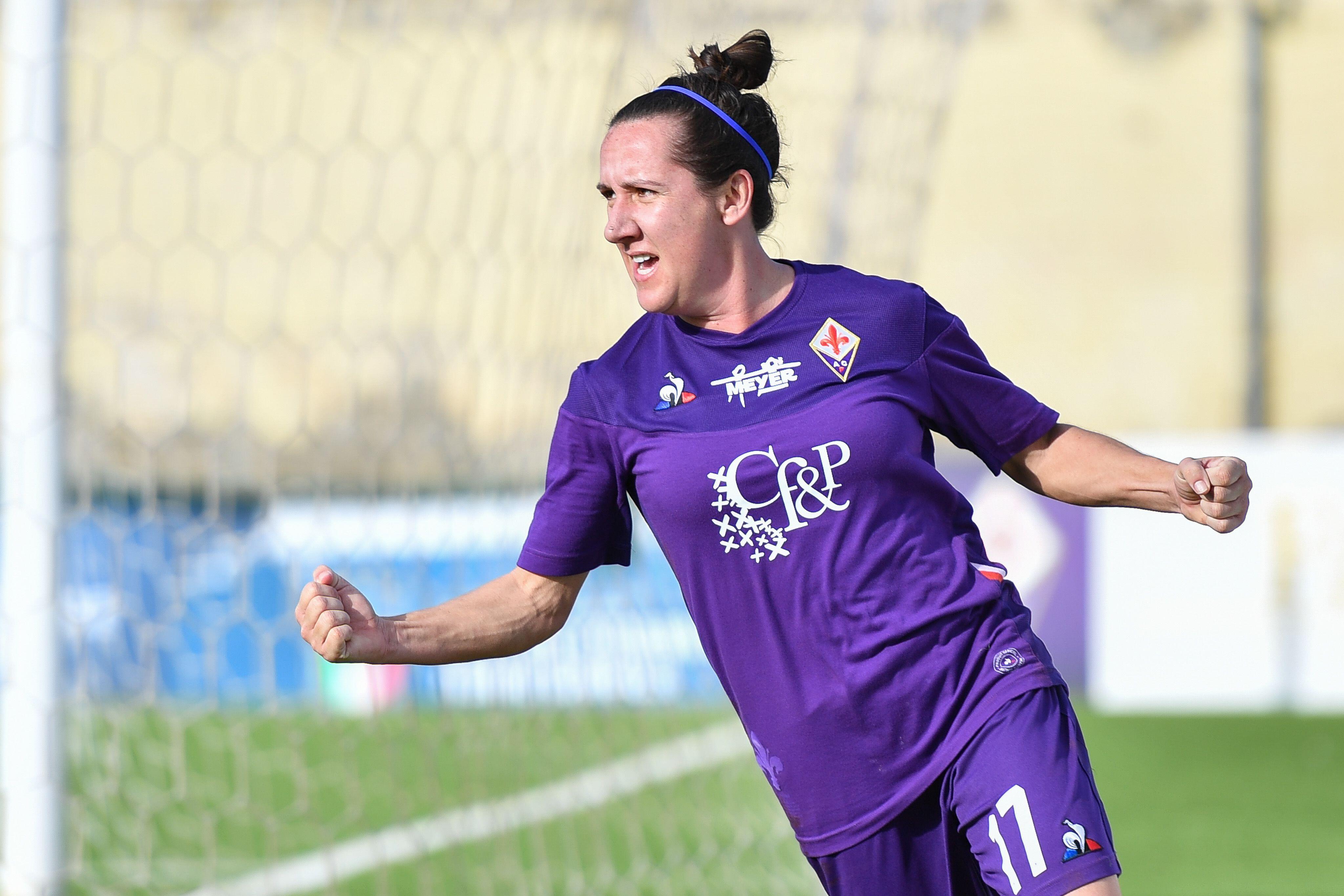
For Jenna McCormick, a defection from AFLW to soccer was all about wearing the national colours. Now, as Australia and New Zealand win the right to host the FIFA Women’s World Cup in 2023, the green and gold icing is really on the cake.
He was a small man with a huge heart and left an indelible mark on the games of rugby league and rugby union. Arthur Summons was also one half of the famous “Gladiators” image. “I didn’t really do anything to make it happen. Just tripped over in the mud, had a photo taken and became famous.”
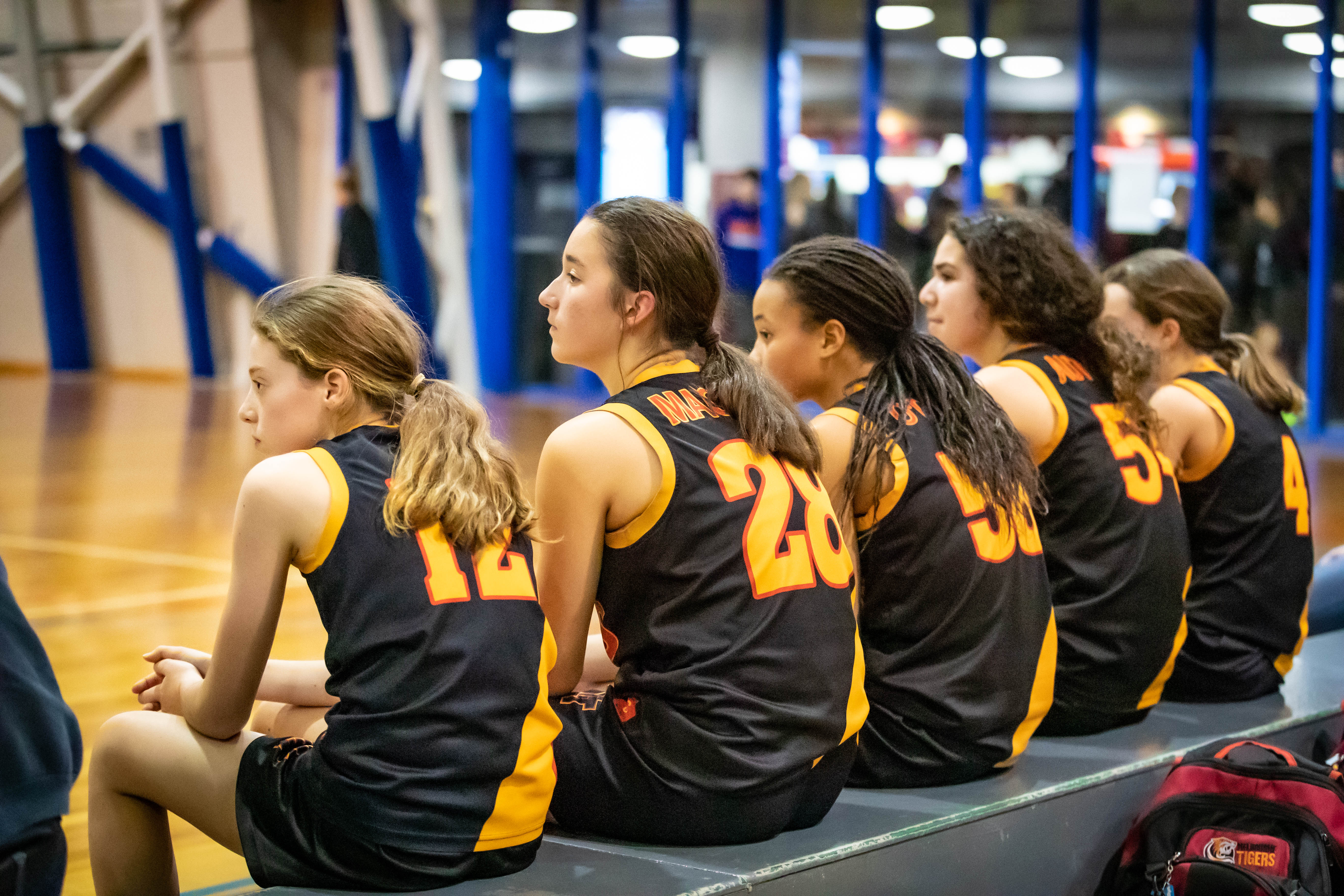
With the number of young girls dropping out of sport already alarmingly high, will the impacts of the coronavirus lead to even fewer female participants?
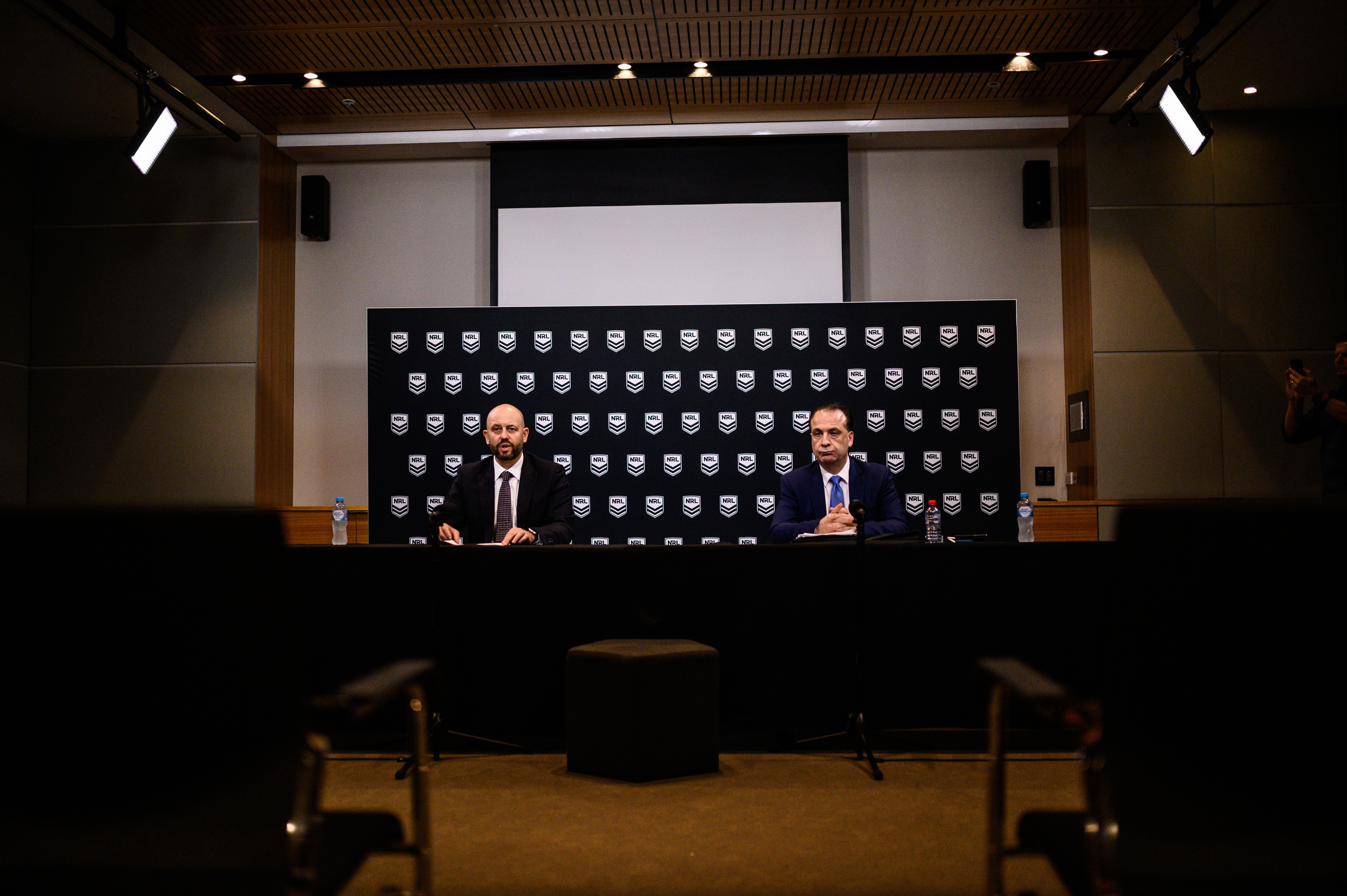
The demise of the chief executives of Rugby Australia and the NRL came in quick succession on the back of the Covid-19 catastrophe. But the pandemic may have just given the sports’ governing bodies the excuse they were looking for.
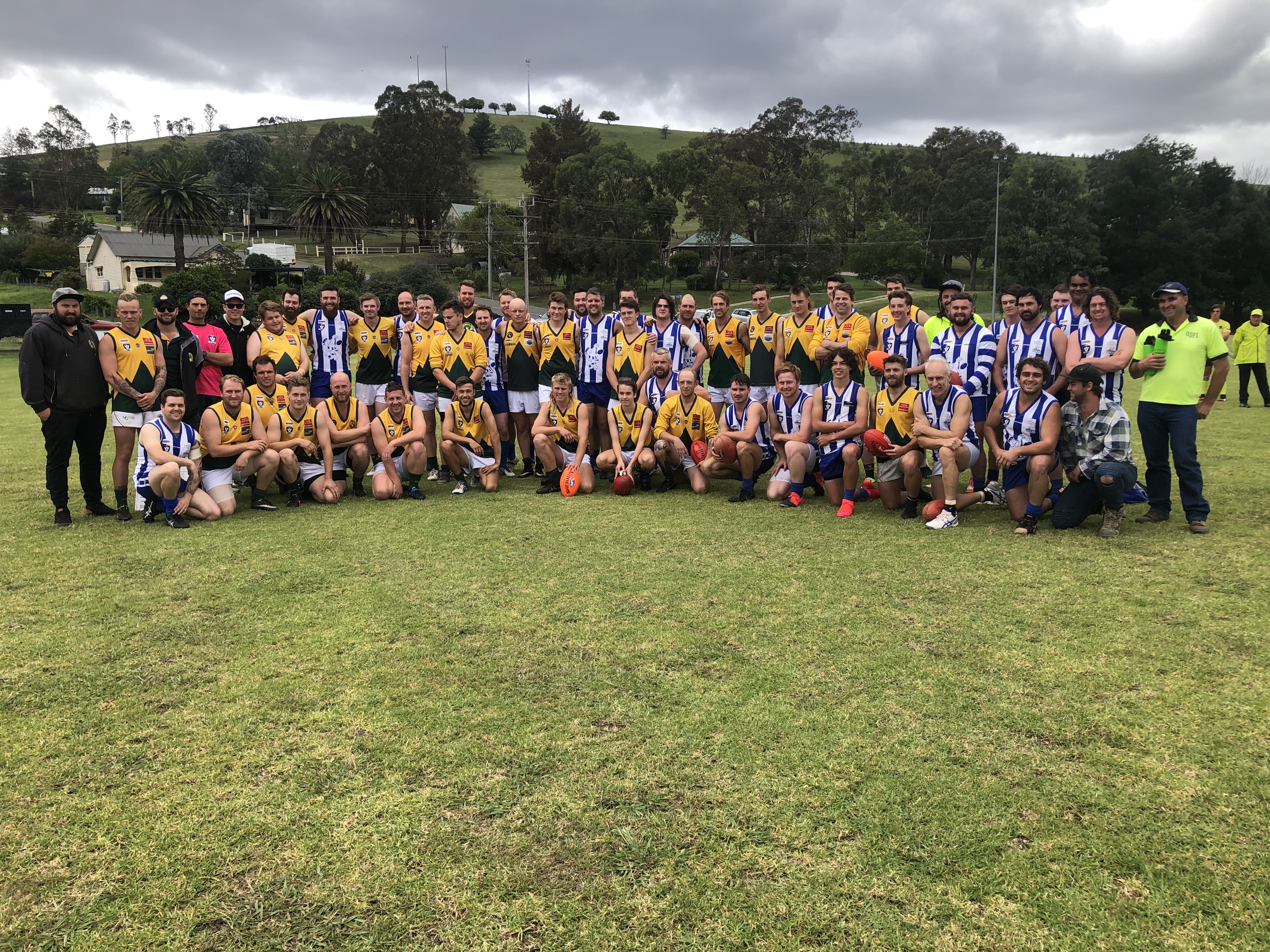
Covid-19 is threatening the very fabric of regional communities as local sports clubs are forced to shut their doors and are left trying to puzzle out a way to survive the crisis.
For star Matildas veteran Lisa De Vanna and other Australian players, the worldwide shutdown of soccer is having devastating consequences – both financially and psychologically.
As coronavirus sweeps the planet, sport has become one of its many casualties. Olympic athletes have been left in limbo, with the Tokyo Games yet to be cancelled.
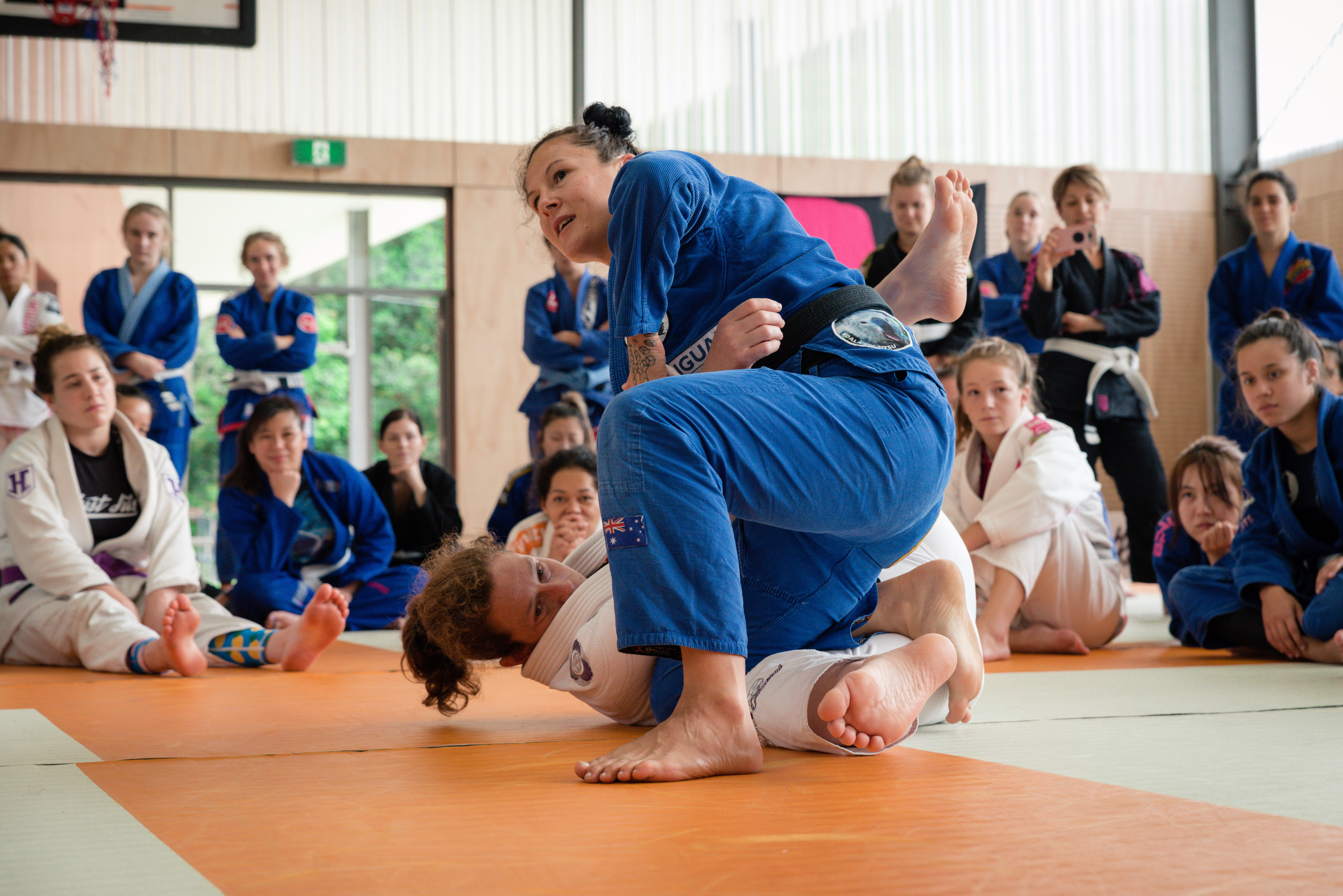
For female athletes competing in less prominent sports, the opportunity to parlay social media popularity into sponsorship dollars can be a real game changer.